
Travelers heading to Toronto Pearson International Airport are increasingly discovering that the most stress ful part of their journey is not the flight itself it is getting to the airport. In recent months the mounting traffic congestion to across the Toronto has significantly disrupted airport access forcing the passengers to adjust travel plans and build extra buffer time in to their schedules.
Toronto Canada’s largest metro politan area has long struggled with grid locked high ways. How ever as population growth accelerates and infrastructure projects expand across the Greater Toronto Area (GTA) congestion levels have intensified. The result is a transportation network to operating the under sustained pressure and airport travel is feeling the consequences.
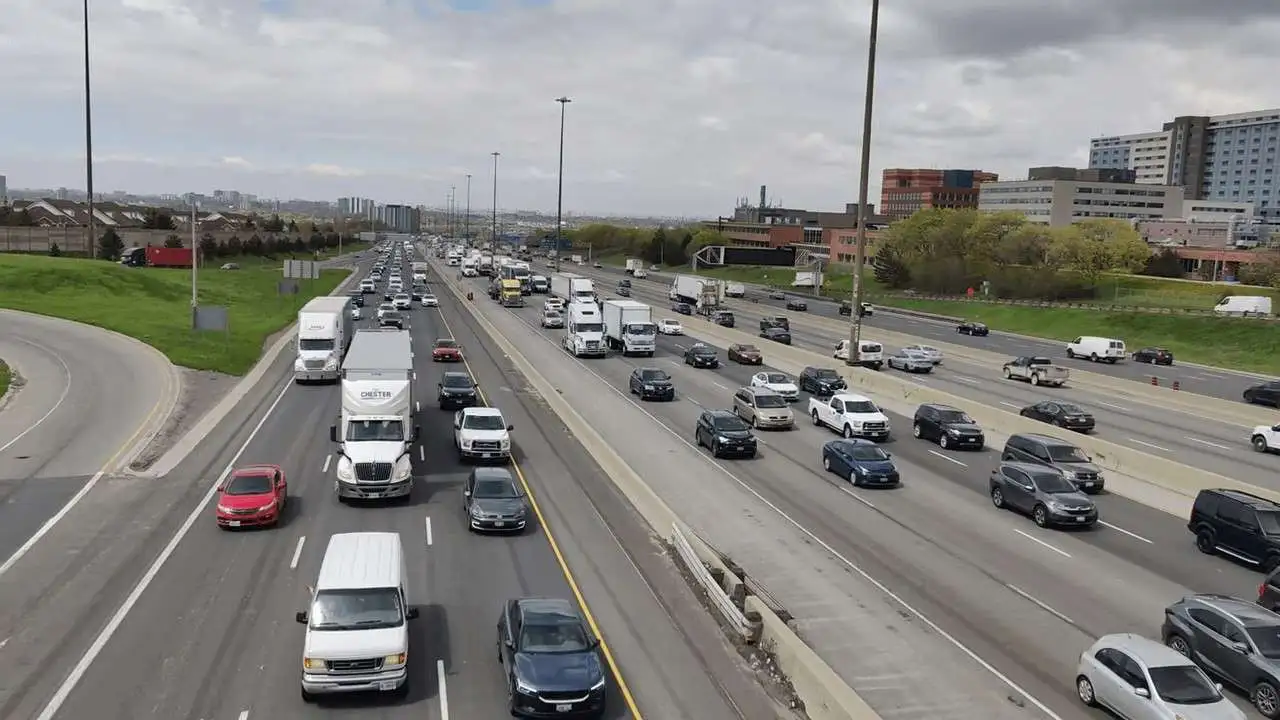
Rising Congestion Rising Travel Risks
As traffic volumes surge across Toronto’s major corridors airport access has become increasingly unpredictable. Longer drive times and sudden slow downs are turning routine trips to Pearson into high risk time sensitive journeys.
Major Highways Under Constant Pressure
Major road ways such as High way 401 and the Gardiner Express way regularly experience the bumper to bumper traffic especially during peak commuting hours. These routes serve as critical arteries connecting suburban communities to the city core and to Pearson Airport. When they slow down every thing slows down. Travelers looking for a dependable alternative often rely on Toronto Pearson Airport taxi services to avoid last-minute delays.
Unpredictable Travel Times for Passengers
For air travelers this is translates into unpredictable travel times and rising anxiety. What was once a manage able 30 to 40 minute drive to Pearson can now stretch well beyond an hour. Minor collisions stalled vehicles construction lane reductions and sudden volume surges often compound delays.
For the passengers with tight departure windows even small traffic disruptions can create cascading consequences missed check ins rushed security screening and in some cases missed flights altogether. Unlike flight delays which are tracked in real time with consistent updates road congestion can change abruptly with out any warning.
Airport officials consistently advise travelers to allow their additional travel time particularly during rush hours and high volume travel seasons. Still unpredictability remains the primary challenge.
Passengers planning frequently check Toronto Pearson Airport taxi rates to estimate travel costs and avoid surge pricing.
Winter Weather Intensifies the Pressure
Snow fall freezing rain and icy road conditions further strain the Toronto’s already congested high ways slowing traffic and increasing accident risks. During winter months even the minor storms can trigger wide spread delays making airport travel significantly more unpredictable and stress ful. So booking in advance airport taxi ensure to abvoid these headaches.
Hazardous Driving Conditions
Winter adds another layer of complexity. Snow fall freezing rain and icy road conditions reduce to driving speeds and increase accident risks. Even moderate storms can cause widespread slow downs across key access routes to the airport.
Double Layered Travel Risk
In a region already experiencing dense to traffic patterns winter weather compounds vulnerabilities. Reduced the visibility and cautious driving behaviors create bottle necks while collisions can shut down for the extended periods.
For travelers this is produces a double layered risk. Road delays may cause late arrivals at the airport while winter storms can simultaneously affect flight schedules. The margin for error narrows significantly during its peak winter months forcing the passengers to plan departures far earlier than necessary under normal conditions.
Financial and Operational Impact
Traffic congestion around Pearson is not just an inconvenience for travelers it carries measure able economic costs. Longer drive times higher fuel the consumption surge pricing and operational inefficiencies are affecting the passengers drivers and airport linked businesses alike.
Strain on Ride Share and Taxi Services
The impact of congestion extends beyond individual inconvenience. Ride share drivers and taxi operators report longer travel times higher fuel consumption and fewer completed trips per shift. Airport runs during peak traffic periods are becoming less profit able while passengers often face increased fares due to surge pricing and extended travel durations. For example, travelers coming from surrounding regions like airport taxi from North Bay to Toronto Pearson must plan even more carefully due to extended highway exposure.
Terminal Level Bottlenecks
Congestion does not end at high way exits. Bottlenecks frequently form near terminal entrances slowing drop offs and pick ups during busy periods. Vehicles circulating around terminal loops add to localized traffic density especially during holidays and long weekends.
Public Transit as a Partial Solution
Public transportation offers a more predict able alternative to congested high ways helping some travelers to avoid the road delays. How ever limited accessibility outside central Toronto means transit cannot fully replace private vehicle reliance for many airport passengers.
The Union Pearson Express Advantage
Public transit offers some relief though accessibility varies by location. The Union Pearson Express provides a direct rail connection between down town Toronto and Pearson Airport. With predict able travel times it remains one of the most reliable options for the travelers originating in the city core.
Limitations for Suburban Residents
How ever those living in sub urban areas often rely on the buses or personal vehicles to reach their transit hubs. This limits convenience and reduces adoption. For many residents outside downtown Toronto driving remains the most practical option even if it has become increasingly unpredictable.
Broader Economic Implications
When access to Pearson becomes unreliable the consequences ripple beyond individual travelers to businesses tourism and trade. Delays in passenger and cargo movement can disrupt schedules reduce productivity and strain the region’s broader economic performance.
Business Travel at Risk
Pearson Airport functions as a major international gate way supporting tourism trade and corporate travel. When access becomes unreliable the ripple effects extend beyond the passengers to businesses and supply chains.
Business travelers in particular face heightened stakes. Meetings conferences and time sensitive engagements often operate on tight schedules. Traffic related delays can jeo pardize care fully coordinated the itineraries and reduce to operational efficiency.
Impact on Cargo and Logistics
Logistics operations are also indirectly affected. Cargo transport vehicles share the same road networks meaning to congestion impacts both passenger and freight mobility. In a globally connected economy transportation reliability is critical to maintaining the competitiveness.
Infrastructure Under Strain
Rapid population growth and expanding development across the Greater Toronto Area are placing sustained pressure on aging road networks. With high way capacity struggling to keep pace and construction projects narrowing lanes the system is operating closer to its limits than ever before.
Rapid Growth Limited Expansion
Urban planners act knowledge that Toronto’s infrastructure is under pressure. Rapid residential development across the Greater Toronto Area has increased commuter volumes with out proportional high way capacity expansion.
The Construction Paradox
At the same time large scale transit expansions and road improvement projects while its essential for long term growth temporarily reduce available lanes and reroute traffic. Construction zones often narrow road ways creating choke points that persist for months or even years.
This creates a paradox improvements designed to reduce the future congestion can temporarily intensify current traffic conditions. As a result the transportation system frequently operates near and some times beyond its intended limits.
Changing Traveler Behavior
As congestion becomes a routine part of the journey travelers are adjusting their habits to reduce risk and stress. Earlier departures real time traffic monitoring and greater reliance on rail options reflect a growing preference for predictability over convenience.
Planning Earlier Departures
The psychological toll on travelers is becoming increasingly evident. Airport journeys are already associated with time sensitivity documentation requirements and coordination. Adding traffic uncertainty significantly increases stress levels.
Many passengers now leave home hours earlier than recommended sacrificing convenience for peace of mind. Live traffic monitoring tools have become essential pre-flight resources.
Shift Toward Predictability
Some travelers opt for early morning departures to avoid peak congestion periods even if it means adjusting sleep schedules. Others increasingly consider rail alternatives when feasible. While not universally practical transit options provide predictability a quality congested high ways too often fail to deliver.
Long Term Solutions and Outlook
Regional investments in transit expansion smart traffic systems and infrastructure upgrades the aim to ease congestion the over time. How ever meaning ful improvements will require sustained planning and construction meaning travelers may need to adapt for the foreseeable future.
Ongoing Infrastructure Investments
Efforts are under way to improve the connectivity across the region. Investments in transit expansion intelligent traffic to management systems and infra structure upgrades the aim to address long term congestion challenges.
A Gradual Path Forward
How ever major infra structure projects required to extended the time lines for planning funding and construction. Meaning ful improvements may take years to materialize.
Until congestion levels stabilize travelers will likely continue to adapting their behavior. Larger time cushions proactive route planning and alternative transportation methods are becoming standard practice.
Conclusion
In a city defined by rapid growth and global connectivity the link between urban congestion and airport accessibility has never been clearer. As Toronto continues to expand ensuring reliable access to Toronto Pearson International Airport will remain critical.
For thousands of travelers each day the journey to the run way now begins long before take off and increasingly the road itself has become the most unpredictable leg of the trip.